Marine infrared thermography survey for LNG tanker pipeline and tank leakage detection
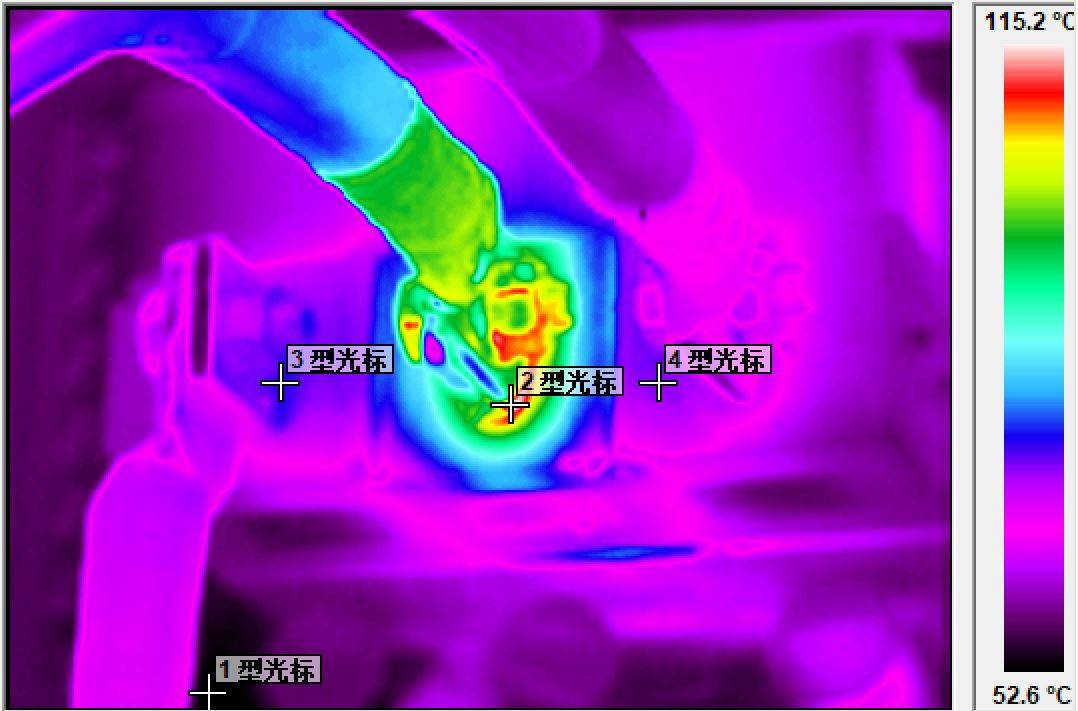
Figure: Infrared thermal imaging survey applied on oil tanker and LNG vessel for hot‑spot and cryogenic leak inspection
1. Industry Background for Oil & LNG Shipping Vessels
Global trade of crude oil, LPG and Liquefied Natural Gas keeps expanding rapidly. More passenger ships, offshore support vessels, oil tankers, container ships and bulk carriers adopt LNG‑fuelled propulsion systems. Compared with conventional petroleum‑fueled vessels, LNG ships face dual hazards: flammable‑explosive risk plus severe cryogenic low‑temperature damage risk.
Mainstream crude carriers include large‑tonnage VLCC tankers. Common tanker classifications are listed as follows:
Common Oil Tanker Types
- Suezmax Tanker: Maximum deadweight approx 100,000‑150,000 DWT, designed to transit Suez Canal under full‑loaded draft limit, also called million‑barrel tanker.
- Aframax Tanker: Deadweight 80,000‑100,000 DWT, optimized for calling most North American ports with economical operational performance.
- VLCC / ULCC: Very Large Crude Carrier / Ultra‑Large Crude Carrier. VLCC: below 300,000 DWT; ULCC: above 300,000 DWT. VLCC widely operates on Middle‑East to Far‑East routes; many ULCC units are converted for floating oil storage.
- Shuttle Tanker: Specially built for crude oil transfer from offshore oil fields to onshore terminals, fitted with dynamic positioning and helicopter deck facilities, deadweight 80,000‑150,000 DWT.
Vessel Hull Structure Requirement (MARPOL Annex I)
Single‑hull oil tankers have been phased‑out globally since year 2015 according to MARPOL Annex I amendment. Modern tankers adopt double‑hull or double‑bottom / double‑side hybrid construction for anti‑pollution protection.
2. Fire & Explosion Hazards on Oil Tankers
Oil tankers contain dense networks of pipelines for oil and water transfer. Once fire breaks out, heavy smoke, poor visibility, toxic gas and high temperature put crew evacuation under great threat. Combustion and explosion propagate rapidly to form three‑dimensional vessel fire and may lead to total vessel loss.
- Steel hull transfers heat quickly; thermal radiation may heat adjacent cargo tanks and trigger successive explosions.
- Post‑explosion oil spill causes large‑scale surface burning and severe ocean pollution.
- Statistical incident data shows explosions occur more frequently in empty / ballast tanks than fully‑loaded tanks. Residual oil vapour inside empty tanks mixes with air to form explosive gas mixture once reaching flammable concentration range.
- Heavy crude oil combustion may exhibit intermittent flame behaviour; boiling‑over and slop‑over risk exists for water‑contaminated heavy oil cargo, causing flame spread.
Root causes for tanker fire incidents include grounding, collision, capsizing, hot‑work welding, electrical short‑circuit and static electricity discharge.
3. Fire & Leakage Prevention Measures for Oil / LPG / LNG Vessels
Combustible gas mixture only ignites within specific concentration range between Lower Flammable Limit (LFL) and Upper Flammable Limit (UFL). Typical LFL value 1% and UFL 10% by volume for hydrocarbon gas. Controlling ignition sources is critical for marine explosion‑proof safety. Open flame and hot‑work welding must be strictly forbidden on tanker decks and hazardous zones.
Electrical Over‑heat Monitoring & Thermal Survey Workflow
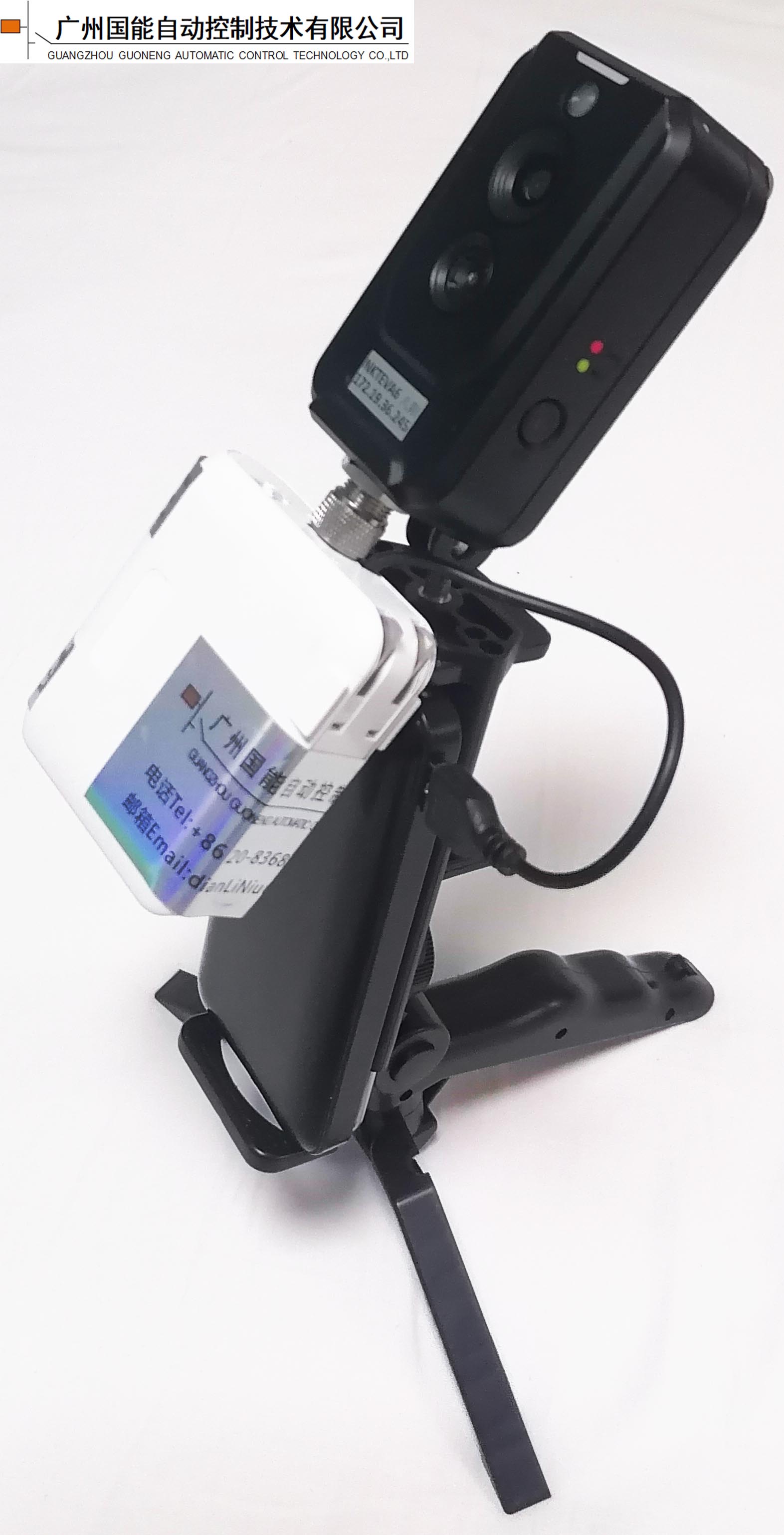
NKTEVA6 Distributed Thermal Array Camera can be deployed as fixed online monitoring unit or converted into handheld portable inspection tool for marine survey task.
- Install NKTEVA6 thermal array camera on critical marine equipment for continuous real‑time monitoring, capture thermal images / video for over‑heated electrical components and wiring.
- Carry out annual / periodic full‑scope infrared thermal scanning for all electrical machinery and cabling. Record temperature data, capture thermal snapshots for abnormal hot‑spots and issue formal thermography inspection report.
- Analyse root causes of thermal anomalies from thermal images, implement maintenance actions: retightening connections, repairing or replacing defective components.

Cryogenic LPG & LNG Leakage Detection via Infrared Thermography
LPG is stored at approx.‑20℃ under 10 bar pressure; LNG (liquefied natural gas) stores at‑162℃ under 1 bar. Both media stay far below ambient environmental temperature. NKTEVA6 thermal imager identifies leakage points by visualizing obvious temperature deviation on pipelines and tank surfaces.
New‑build or retrofitted LNG‑fuelled vessels are normally fitted with temperature sensors, pressure transmitters, level gauges and fixed combustible gas detectors for LNG supply system monitoring. Nevertheless, point‑type thermocouples provide limited coverage area. The NKTEVA6 thermal camera enables wide‑area rapid visual screening over LNG tanks and piping systems for leak location. LNG vaporizes rapidly upon leakage; thermal imager detects temperature variance and pin‑point leak sources efficiently. This non‑contact thermal device can also detect early fire ignition sources nearby LNG storage installations.
FAQ Frequently Asked Questions
Q1: What defects can marine infrared thermography inspection detect for oil & LNG ships?
A: It detects electrical connection hot‑spots, over‑heated cables and switchboards, cryogenic LPG/LNG tank & pipeline leakage, and potential pre‑fire thermal hazards on‑board vessels.
Q2: Why thermal cameras can spot LNG cryogenic leakage?
A: LNG maintains‑162℃ storage temperature, creating significant temperature contrast versus surrounding ambient air and metal structure. Thermal imager captures cold‑spot temperature deviation at leak locations, even before conventional point‑gas sensors trigger alarms.
Q3: Can NKTEVA6 thermal array camera work both fixed‑mount and handheld mode?
A: Yes. It supports permanent fixed online installation for continuous monitoring, and can also be refitted as portable handheld thermal survey tool for periodic vessel inspection tasks.
Q4: What tanker types require marine infrared thermal inspection service?
A: VLCC, Suezmax, Aframax, shuttle tankers, LPG carriers, LNG gas carriers and LNG‑fuelled commercial vessels all benefit from periodic infrared thermography surveys for safety compliance.
Q5: Is infrared thermal imaging survey a substitute for fixed combustible gas detectors on LNG vessels?
A: No. Thermal imaging serves as complementary wide‑area screening technology, not replacement. Operators should keep original gas‑detection systems fully functional as required by marine class rules.
Q6: How frequently should oil tanker and LNG vessels perform infrared thermography inspection?
A: Annual full‑scope thermal survey is recommended for critical marine electrical and cargo handling systems, aligned with vessel planned maintenance and classification society survey requirements.
Q7: Why empty ballast oil tanks carry higher explosion risk than fully‑loaded tanks?
A: Residual crude oil inside empty tanks evaporates into hydrocarbon vapour. When vapour‑air mixture falls within LFL‑UFL flammable range, any ignition source will trigger severe explosion accidents.
For quotation and further information about marine infrared thermography inspection service: original source page http://www.dianliniu.com/product_view.asp?id=449





 智能分界开关